💡Our Clients Save $517/Month on Average — With Full PPO Access

Stop Overpaying For Health Insurance And Protect Your Family The Smart Way
Get a personalized health plan that actually fits your life, your income, and your goals in under 5 minutes without pressure, confusion, or offshore call centers
"Trusted By Families And Self-Employed Professionals Across The United States."

Are You Struggling With Any Of These?
📈 Rising premiums every year
💸 Overpaying for employer coverage
🤔 Not understanding what your plan even covers
🚑 Fear that one emergency could destroy your finances
🧾 Confusion as a self-employed professional
😓 Feeling stuck with bad insurance options
Which Means You Might Be:
❌ Overpaying hundreds every month unnecessarily
⚠️ Underinsured without realizing it
🔒 Stuck in plans that benefit insurers, not you
🚫 Missing out on better coverage options
This is not your fault.
The system was built to confuse consumers.
We exist to fix that.
Why Legacy Page Financial Is Different.
You are not speaking with a random call center agent reading scripts.
You work with a dedicated advisor who is committed to helping you long term.

At Legacy Page Financial, we believe health coverage should:
🛡 Protect your family first
📊 Respect your financial future
🧩 Fit your lifestyle and income
🧠 Be easy to understand
✅ Create peace of mind
You deserve strategy, not sales pressure.
What We Do For You
We help you:
🔍 Compare top carriers side by side
💰 Lower monthly premiums when possible
🧯 Close dangerous coverage gaps
📚 Understand deductibles | benefits clearly
🚀 Upgrade your overall protection strategy
No confusion.
No jargon.
No guessing.
Just smart coverage.

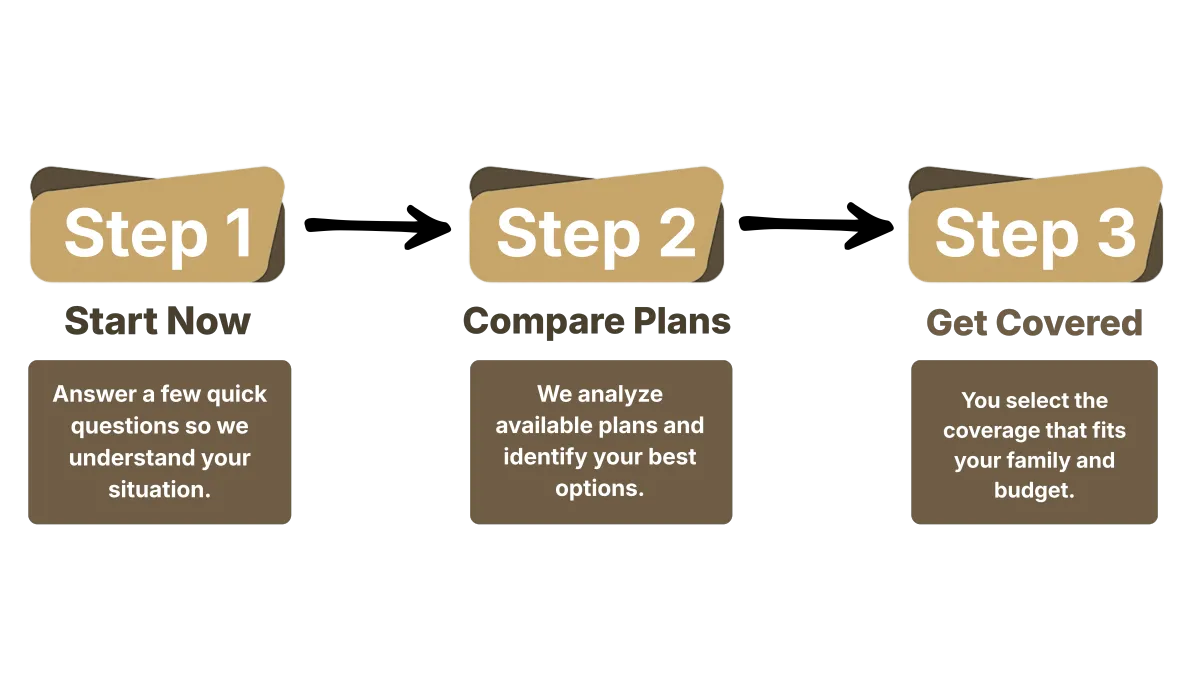
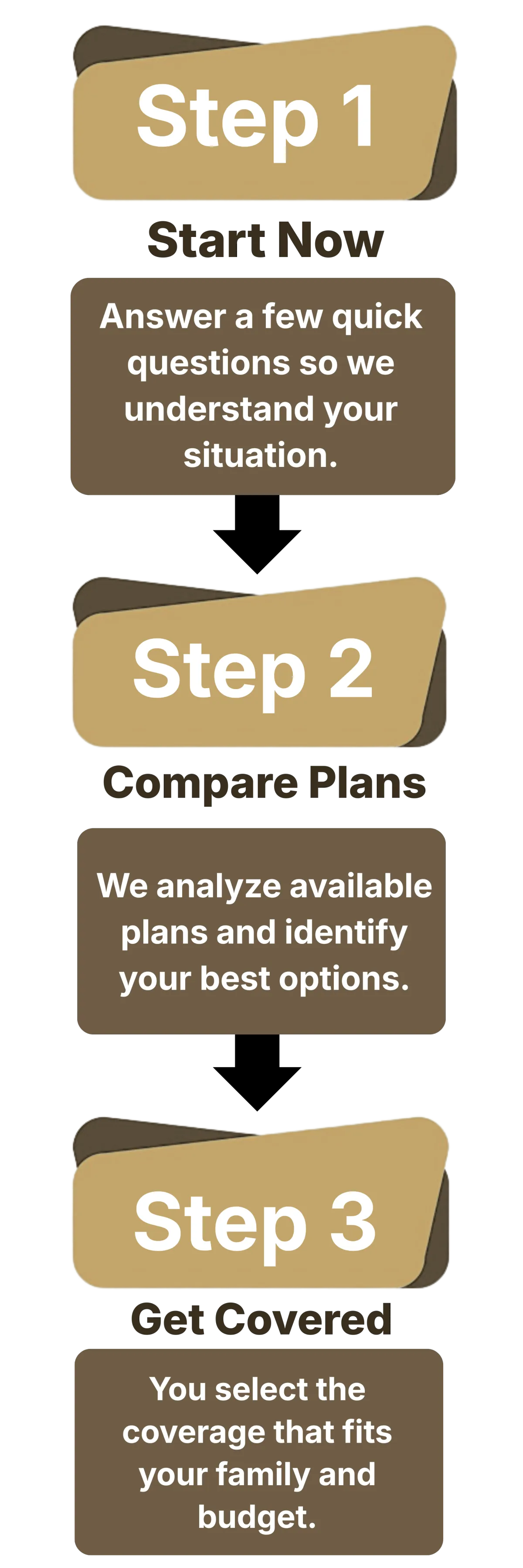
Get Protected In 3 Simple Steps Without the Stress
Who We Help
Still Paying Too Much for the
Plan at Work?
An employer plan isn’t always the best option. Many people discover better coverage and lower costs by exploring individual and private alternatives.
Freelancer, 1099 or a Small
Business Owner?
We help self-employed professionals find flexible, affordable coverage options including marketplace and private plans designed to fit variable income.
Between Jobs or Recently
Lost Coverage?
Losing coverage is stressful. The good news is there are immediate short-term and long-term options available to help protect you right now
Have Questions?
What is health insurance?
Health insurance is a financial protection plan that helps cover the costs of medical care, including hospital visits, surgeries, emergency treatments, routine checkups, and prescription medications. Its primary purpose is to transfer financial risk from you to the insurance company, protecting you from overwhelming medical expenses that could arise from unexpected health issues.
Who needs health insurance?
Everyone should have health insurance coverage. Medical emergencies and health issues can happen to anyone at any time, regardless of age or current health status. Having coverage is the most effective way to protect yourself and your family from potentially devastating medical costs.
How much does health insurance typically cost?
Costs vary based on location, age, household size, and coverage type. Using the Legacy Smart Coverage™ Tool, we help you compare options and identify plans that fit your budget and coverage needs.
How do I choose the best insurance plan?
Choosing the right health insurance plan requires careful consideration of your healthcare needs and budget. Compare multiple plans and consider factors like:
- Monthly premium costs
- Deductibles and out-of-pocket maximums
- Coverage for your preferred doctors and hospitals
- Prescription drug coverage
- Specific services you might need
Working with licensed insurance professionals can help you understand your options and find coverage that meets your specific needs and budget.
How does health insurance work?
You pay a monthly premium to maintain coverage. When you receive medical care, your plan helps cover eligible expenses after applicable deductibles or copays, depending on your policy.
What are the different ways to get health insurance?
You can obtain health insurance through several channels:
- Employer-sponsored group plans
- Government marketplace websites
- Directly from insurance companies
- Licensed insurance brokers and agents
- Healthcare sharing ministries
- Short-term coverage options
What is open enrollment?
Open enrollment is the yearly period when individuals can enroll or change health plans. Outside of this window, you may still qualify through a special enrollment period due to life events such as marriage, job changes, or relocation.
What are premiums, deductibles, and copays?
Premiums: The monthly amount you pay to maintain your health insurance coverage.
Deductibles: The amount you must pay for healthcare services before your insurance begins to share costs.
Copays: Fixed amounts you pay for specific services (like doctor visits) regardless of whether you've met your deductible.
Coinsurance: The percentage of costs you pay after meeting your deductible, until you reach your out-of-pocket maximum.
What types of health insurance plans are available?
Common types of health insurance plans include:
HMOs (Health Maintenance Organizations): Lower costs but require you to use network providers
PPOs (Preferred Provider Organizations): More flexibility to see any provider, with lower costs for in-network care
High-Deductible Health Plans (HDHPs): Lower premiums with higher deductibles, often paired with Health Savings Accounts
Short-term plans: Temporary coverage for gaps between other insurance
Catastrophic plans: Low premiums with very high deductibles, mainly for emergency protection
What is a Health Savings Account (HSA)?
A Health Savings Account is a tax-advantaged savings account available to people with qualifying high-deductible health plans. You can contribute pre-tax dollars to pay for eligible medical expenses, and unused funds roll over year to year. HSAs offer triple tax benefits: deductible contributions, tax-free growth, and tax-free withdrawals for qualified medical expenses.
What if I am self-employed or unemployed?
Self-employed: You can purchase individual health insurance through the marketplace, directly from insurers, or work with licensed agents to find suitable coverage options.
Unemployed: You may qualify for COBRA continuation coverage from a previous employer, Medicaid, or special enrollment periods on the marketplace. Short-term health insurance might also be an option for temporary coverage gaps.
Is there a penalty for not having health insurance?
The federal penalty for being uninsured was eliminated, but some states still impose their own requirements and penalties. More importantly, the real risk of being uninsured is facing substantial medical bills that could create financial hardship in the event of an accident or serious illness.

Legacy Page Financial
Built on Faith, Family, Financial Freeodm


Copyright 2026. The Next Page. All Rights Reserved.